
Empowering Urhobo Women Through Vocational Skills Training
- LaShaunta Emuobonuvie
- Apr 10
- 4 min read

Updated: May 9
In the heart of Nigeria, the Urhobo community is rich in culture and tradition, yet many women face significant barriers to economic independence. Vocational skills training has emerged as a powerful tool to uplift these women, providing them with the skills needed to thrive in today’s economy. This blog post explores how vocational training can empower Urhobo women, the programs available, and the impact of these initiatives on their lives and communities.
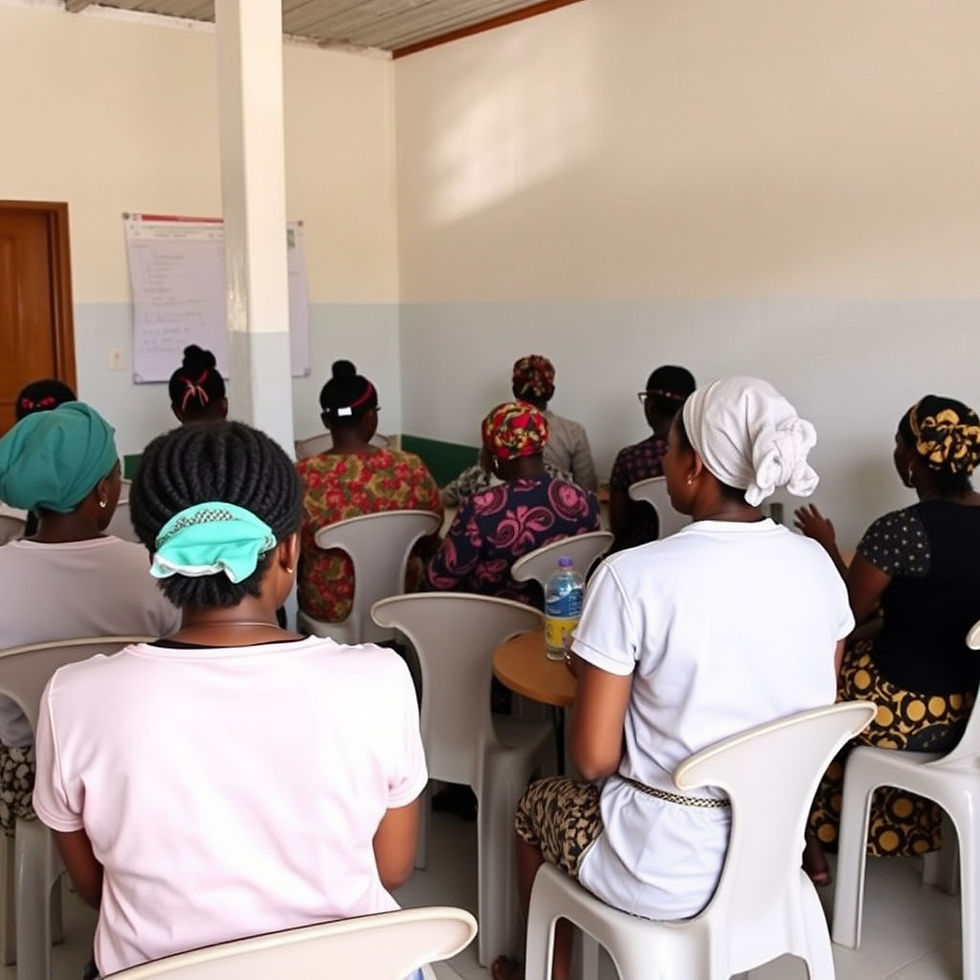
Understanding the Need for Vocational Skills Training
The Economic Landscape
The economic landscape in Nigeria presents unique challenges, particularly for women. Many Urhobo women find themselves in a cycle of poverty, with limited access to education and job opportunities. According to recent statistics, women in Nigeria are more likely to be unemployed than men, and those who are employed often earn significantly less. This disparity highlights the urgent need for programs that equip women with practical skills.
Barriers to Employment
Several barriers hinder Urhobo women from accessing employment opportunities:
Limited Education: Many women lack formal education, which restricts their job prospects.
Cultural Norms: Traditional gender roles often dictate that women should prioritize household responsibilities over career aspirations.
Lack of Resources: Financial constraints can prevent women from pursuing vocational training or starting their own businesses.
By addressing these barriers, vocational skills training can pave the way for economic empowerment.
The Role of Vocational Skills Training
What is Vocational Skills Training?
Vocational skills training focuses on teaching individuals specific skills that are directly applicable to a particular job or trade. This type of training is often hands-on and can include fields such as:
Tailoring and fashion design
Hairdressing and beauty therapy
Catering and culinary arts
Carpentry and construction
Benefits of Vocational Skills Training
The benefits of vocational skills training for Urhobo women are profound:
Economic Independence: By acquiring marketable skills, women can secure stable employment or start their own businesses, leading to financial independence.
Increased Confidence: Gaining new skills boosts self-esteem and empowers women to take control of their lives.
Community Development: As women become economically active, they contribute to the overall development of their communities, fostering a cycle of growth and empowerment.
Successful Vocational Training Programs
Local Initiatives
Several organizations and community groups are dedicated to providing vocational skills training to Urhobo women. Here are a few notable examples:
Urhobo Women’s Development Initiative (UWD): This organization offers training in various trades, including sewing and catering. They also provide mentorship and support for women looking to start their own businesses.
Skills Acquisition Program by the Delta State Government: This government initiative aims to equip women with skills in areas such as hairdressing and tailoring. The program includes workshops and access to resources for starting small businesses.
Community-Based Training Centers: Many local communities have established training centers where women can learn skills in a supportive environment. These centers often collaborate with NGOs to provide resources and training materials.
Success Stories
The impact of vocational training can be seen through the success stories of women who have transformed their lives:
Mary’s Journey: After completing a tailoring course, Mary started her own clothing line. Today, she employs several other women from her community, creating jobs and fostering economic growth.
Joy’s Culinary Success: Joy, a graduate of a culinary arts program, opened a catering business that has gained popularity in her town. Her success has inspired other women to pursue their culinary passions.
Overcoming Challenges in Vocational Training
Addressing Cultural Barriers
While vocational training offers numerous benefits, cultural norms can pose challenges. It is essential to engage community leaders and families to promote the importance of women’s economic empowerment. Awareness campaigns can help shift perceptions and encourage families to support women in pursuing vocational training.
Ensuring Accessibility
Accessibility is crucial for the success of vocational training programs. This includes:
Affordable Training: Programs should be affordable or offer scholarships to ensure that financial constraints do not prevent women from participating.
Flexible Schedules: Training sessions should accommodate women’s schedules, allowing them to balance family responsibilities with their education.
The Future of Vocational Skills Training for Urhobo Women
Expanding Opportunities
The future of vocational skills training for Urhobo women looks promising. As more organizations recognize the importance of empowering women, additional resources and programs are likely to emerge. This expansion can lead to:
Increased Collaboration: Partnerships between NGOs, government agencies, and local businesses can enhance training programs and provide more opportunities for women.
Diverse Skill Sets: As the demand for various skills grows, training programs can adapt to include emerging fields, such as technology and digital marketing.
Building a Supportive Network
Creating a supportive network for women who have completed vocational training is essential. This network can provide mentorship, resources, and opportunities for collaboration. By connecting women with each other, they can share experiences, challenges, and successes, fostering a sense of community.
Conclusion
Empowering Urhobo women through vocational skills training is not just about providing education; it is about transforming lives and communities. By equipping women with the skills they need to succeed, we can break the cycle of poverty and create a brighter future for generations to come. The journey towards empowerment is ongoing, and it requires the collective effort of individuals, organizations, and communities. Together, we can build a future where Urhobo women thrive, contributing to the economic and social fabric of their communities.
As we move forward, let us support vocational training initiatives and advocate for the empowerment of women in all aspects of life. The time for change is now, and every step taken towards this goal is a step towards a more equitable society.


Comments